

Ultimate Singapore City Centre Lifestyle Guide for Residents and Visitors
Singapore City Centre is a compact, high-amenity district where residents and tourists can compare neighbourhoods, transport routes, dining costs, cultural sites, and nightlife options. This guide uses practical parameters such as MRT access, rental ranges, food price bands, and venue types to help readers plan visits, relocations, or lifestyle decisions quickly.
What Defines Singapore City Centre Living?
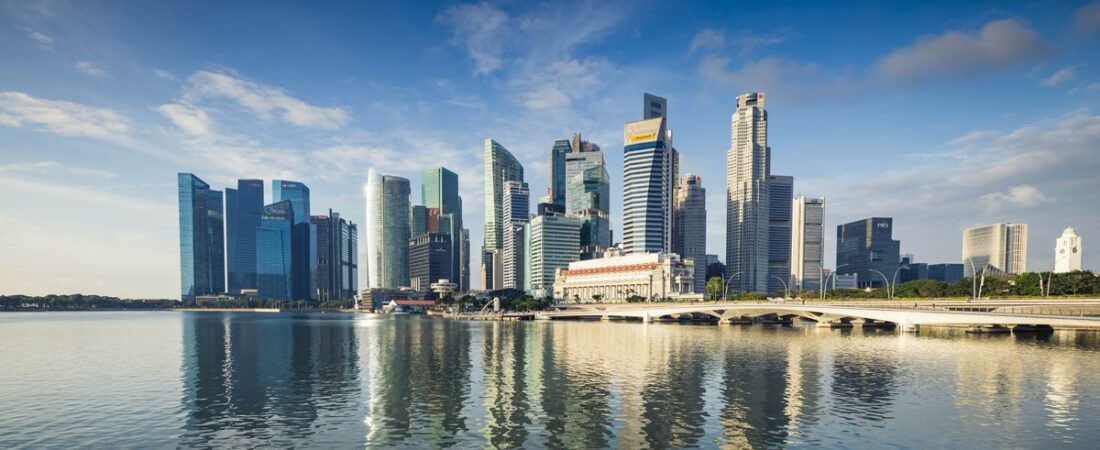
Singapore City Centre living combines Marina Bay, Orchard Road, and Bugis into a compact, transit-connected district. Residents and tourists get seamless MRT access, multicultural heritage, and global amenities. The area balances dense commerce with heritage shophouses, parks, and waterfront spaces, making it one of Singapore’s most practical urban living zones.
The City Centre is not a single postcode but a layered urban environment. Marina Bay anchors finance, tourism, and large events, while Orchard Road supports retail and hospitality. Bugis and Chinatown add heritage, food density, and residential access. For practical planning, compare walkability, MRT proximity, noise, rent, and lifestyle fit.
- Marina Bay: best for waterfront views, business districts, and premium hotels.
- Orchard Road: best for retail, dining, and entertainment clusters.
- Bugis: best for budget stays, street markets, and transit access.
- Chinatown: best for heritage, food, and culturally themed accommodation.
Where Should I Live in Singapore City Centre?
Choose Marina Bay for luxury waterfront rentals, Chinatown for heritage shophouse stays, or Outram for lower budgets near Singapore General Hospital. Raffles Place works for professionals wanting concierge services, rooftop gardens, and fast office access. Compare MRT distance, noise, rent, and amenity fees before signing a lease.
Neighbourhood choice should follow commute patterns, lifestyle priorities, and budget. Marina Bay suits professionals with higher budgets, while Chinatown and Outram suit visitors, short-term renters, and cost-conscious residents. Use this decision matrix before comparing properties.
- Define commute: identify the office or campus and test peak-hour MRT travel.
- Set budget: include rental, utilities, HDB or condo fees, and transport costs.
- Check amenities: verify supermarket, gym, clinic, and pharmacy access.
- Compare noise: test evenings near clubs, bars, or MRT platforms.
- Verify lease terms: confirm renovation rules, pet policy, and renewal conditions.
How Do I Navigate Singapore City Centre?
Use EZ-Link or NETS FlashPay for MRT, LRT, and bus travel, with fares starting around S$0.92. Grab remains the dominant ride-hailing option, while covered walkways support walking between key malls and offices. Check MyTransport or Google Maps for real-time congestion, and reserve cycling for shorter trips along protected paths.
The City Centre is designed for multimodal movement. MRT handles most long-distance trips, buses cover connecting routes, and ride-hailing is useful during rain or late nights. Walking works well between malls and offices because many routes include sheltered corridors.
- EZ-Link/NETS FlashPay: best for MRT, LRT, and public buses.
- Grab: best for rain, late-night travel, or multi-passenger trips.
- Bikes: best for short hops along designated paths.
- Walking: best between malls, offices, and heritage districts.
What Are the Best Food Spots in City Centre?
City Centre dining spans UNESCO-listed hawker centres and Michelin-starred restaurants. Try Lau Pa Sat satay stalls, Maxwell Food Centre chicken rice, and Tekka Centre for budget meals. For premium dining, book Odette, Burnt Ends, or Hantu early. Expect hawker plates around S$4 to S$8, while tasting menus exceed S$300.
Food planning depends on budget and time. Hawker centres provide fast, affordable meals, while premium restaurants require reservations and longer dining times. Use these tiers to estimate meal budgets for residents and visitors.
- Hawker tier: S$4 to S$8 per plate; quick service; high variety.
- Mid-range tier: S$15 to S$35 per person; café, noodle house, or set menu.
- Premium tier: S$100 to S$350+ per person; tasting menus and fine dining.
- Event tier: festival dining, pop-ups, and limited-time menus.
Which Cultural Attractions Define City Centre?
Chinatown, Little India, and Kampong Glam define the City Centre’s multicultural identity. Visit the National Museum for Southeast Asian history, the National Gallery for modern art, and Esplanade Theatres for annual performances. Haji Lane adds street art and independent galleries, while heritage shophouses preserve local storytelling, craft spaces, and community-oriented cultural programming.
Cultural sites work best when paired by district. Chinatown supports temple visits, heritage walks, and food tours. Kampong Glam supports mosque architecture, textile history, and independent cafés. Esplanade and National Gallery sites suit multi-hour cultural itineraries. Allocate enough time to move between districts.
- Chinatown: temples, heritage shophouses, and community events.
- Kampong Glam: mosque architecture, artisan spaces, and Haji Lane galleries.
- Esplanade: theatre, dance, orchestral performances, and public talks.
- National Gallery: modern and contemporary art collections.
What Entertainment Options Exist After Work?
After-work entertainment clusters around Clarke Quay, Dempsey, and rooftop bars overlooking Marina Bay. Try riverside dining, live jazz, indie gigs, or free Esplanade outdoor performances. Choose Clarke Quay for social dining, Esplanade for curated shows, or rooftop venues for skyline views. Book popular bars early, as queues peak between Friday and Saturday evenings.
Entertainment options depend on crowd tolerance, spending budget, and preferred atmosphere. Clarke Quay is social and active, rooftop venues are view-focused, and Esplanade spaces are more curated. Plan around weather, event schedules, and MRT closing times.
- Clarke Quay: riverside dining, clubs, and group-friendly bars.
- Rooftop bars: skyline views, date-friendly settings, and drink menus.
- Esplanade: live shows, outdoor concerts, and cultural programming.
- Live music venues: indie, jazz, and experimental performances.
How Can I Experience Local Shopping?
Experience City Centre shopping at ION Orchard, Bugis Street Market, Far East Plaza, and Tekka Centre. Orchard Road suits premium fashion, while Bugis Street offers budget clothing, accessories, and tech. For souvenirs, look for Singapore hawker souvenirs, local design products, and artisanal souvenirs. Set a budget and compare prices across malls before buying.
Shopping value depends on category. Orchard Road suits branded apparel, beauty products, and premium retail. Bugis Street suits budget fashion and casual souvenirs. Far East Plaza suits local gifts, craft items, and souvenirs. Check return policies and price differentials before purchase.
- ION Orchard: premium fashion, beauty, and food courts.
- Bugis Street Market: budget clothing, accessories, and street-style finds.
- Far East Plaza: souvenirs, local design, and craft products.
- Tekka Centre: food, produce, and ready-to-eat items.
What Green Spaces Exist Amidst Urban Density?
City Centre green space includes Gardens by the Bay, East Coast Park, and Park Connector Network links. Gardens by the Bay offers Supertree Grove, OCBC Skyway, and climate-controlled conservatories. East Coast Park provides cycling, beach access, and outdoor recreation. Plan visits in the morning to avoid crowds, heat, and midday humidity.
Green spaces help residents recover from dense urban environments and give visitors practical outdoor options. Gardens by the Bay is suitable for structured sightseeing, while East Coast Park supports cycling, jogging, picnics, and beach access. Check event calendars before planning visits.
- Gardens by the Bay: Supertree Grove, Skyway, and climate-controlled gardens.
- East Coast Park: cycling, beach access, and outdoor recreation.
- Park Connector Network: linked paths for walking and cycling.
- Neighbourhood parks: nearby green breaks for residents.
Frequently Asked Questions
What is the most affordable neighbourhood in City Centre?
Outram and Chinatown usually offer the most affordable City Centre options for residents and short-term visitors. They often have lower rents than Marina Bay or central office districts, but you should still compare MRT access, noise, and total monthly costs before committing.
How expensive is dining in City Centre?
City Centre dining ranges from S$4 to S$8 hawker plates to S$300+ premium tasting menus. Most visitors spend S$15 to S$35 per person for mid-range meals, so setting a daily food budget will help you plan realistic dining stops.
Are there free activities for tourists?
Yes, many City Centre activities are free, including heritage walks, public gardens, street art stops, and some Esplanade performances. You can also explore malls, riverfront views, and market districts without paying entrance fees, though food and shopping costs still apply.
What is the best time to visit City Centre attractions?
Mornings from 8:00 to 10:00 are usually best for attractions because crowds are lighter and temperatures are lower. Evenings from 6:00 to 9:00 work well for dining, nightlife, and riverfront views, but popular venues may have queues.
How do I access premium lifestyle services?
Premium lifestyle access in City Centre comes through concierge services, priority restaurant bookings, member clubs, and partner discounts. These services are most useful for professionals and frequent visitors who want faster access, curated recommendations, and easier event planning.