

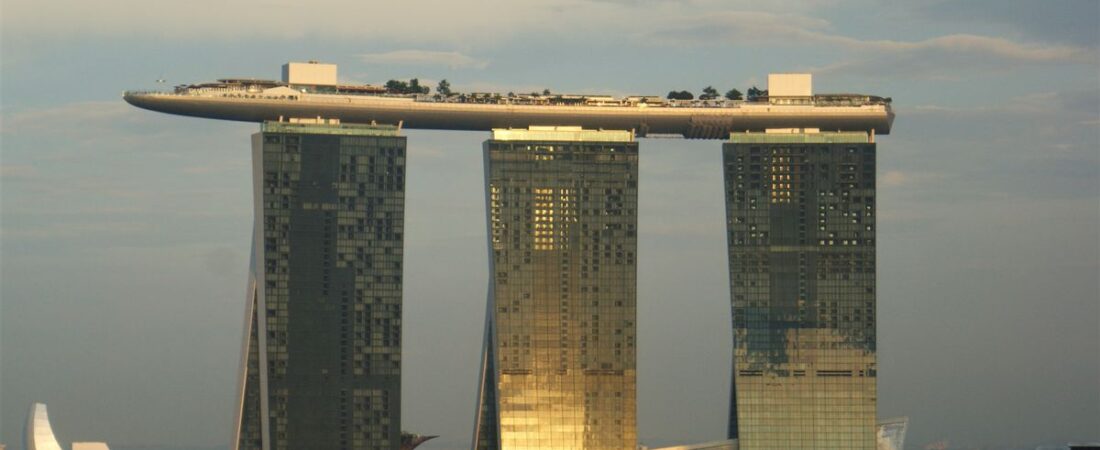
Singapore City Centre pulses with a unique rhythm where colonial history meets hyper-modern ambition. Visitors often describe the energy here as electric yet orderly. From the glass towers of Raffles Place to the neon signs of Orchard Road, the district offers diverse experiences. This guide breaks down the authentic vibe, practical logistics, and key spots for anyone seeking the true urban lifestyle of the island.
Singapore City Centre uniquely blends colonial heritage with a hyper‑modern skyline, where historic shophouses sit beside glass towers, creating a distinctive urban rhythm that mixes tradition and innovation, shaping the daily atmosphere for residents and visitors alike. The contrast is evident in bustling financial hubs, vibrant cultural enclaves, and seamless public spaces that define the city’s energetic yet orderly vibe.
What defines the unique city vibes in Singapore City Centre?
The atmosphere shifts throughout the day. Morning hours feature busy commuters rushing between high-rises, while evenings bring a relaxed social energy to outdoor plazas. The clean infrastructure and strict safety regulations create a sense of predictability that many residents appreciate. Key sensory details include the humid tropical air, the scent of roasting coffee, and the constant hum of traffic.
- Marina Bay: Offers waterfront promenades and iconic architectural landmarks.
- Raffles Place: Serves as the financial heart with lunchtime crowds.
- Chinatown: Provides heritage shophouses and historic temples.
- Little India: Delivers colorful streets and aromatic food stalls.
- Kampong Glam: Combines bohemian culture with modern cafes.
How do you navigate the city centre for the best experience?
Navigating Singapore City Centre efficiently involves using the MRT, walking short distances between clustered attractions, and timing visits to avoid heat and crowds, while leveraging covered walkways and transit apps for seamless movement. Key tips include downloading the SimplyGo app for payments, visiting major sites early, and using pedestrian-friendly routes.
How do you navigate the city centre for the best experience?
The MRT is the fastest public transport option for reaching City Centre attractions. Taxis and ride-hailing apps provide door-to-door service during peak hours. Walking remains viable for short distances between nearby landmarks along the pedestrian-friendly downtown streets for navigating the area efficiently.
- Download the SimplyGo app for seamless transit payments.
- Visit major sites in the early morning to avoid crowds.
- Use covered walkways to escape sudden tropical rain.
- Plan your route around Circle and Downtown MRT lines.
Where can you find the best live gigs and entertainment in the area?
Live music and entertainment in Singapore City Centre are concentrated in Clarke Quay, the Esplanade, and various rooftop venues, offering everything from rock bands to classical concerts, with tickets available through dedicated event platforms. Check ib8.asia/live-gigs for current line‑ups and secure tickets for popular shows happening tonight.
- Esplanade Concert Hall: Hosts world-class classical and opera performances.
- Clarke Quay: Features riverside bars and live rock bands.
- The Star Theatre: Offers mid-sized concerts and comedy shows.
- Rooftop Lounges: Provide ambient music and city views.
How do locals experience daily city centre lifestyle activities?
Locals navigate the City Centre via the extensive MRT network, enjoy affordable hawker centre meals, relax in parks after work, and rely on community referral networks for recommendations, reflecting a blend of convenience and social connection. This routine creates a vibrant, community‑focused urban lifestyle that balances work, food, and recreation.
How do locals experience daily city centre lifestyle activities?
Locals use the extensive MRT network to move quickly between offices and dining spots. They frequent hawker centres for affordable meals and parks for evening relaxation. Many community members also rely on trusted referral networks like https://ib8sg.com/home/referral?refId=I2D2sj1S for personal recommendations from neighbours.
- Maxwell Food Centre: Known for high-quality local hawker fare.
- Downtown Park: Offers green space for evening jogs.
- Community Clubs: Host affordable recreational activities for residents.
- Neighbourhood Shops: Provide daily essentials within walking distance.
What Should I Know About Visiting Singapore City Centre?
Visitors to Singapore City Centre should consider safety, affordable transport options, typical meal costs, optimal visiting seasons, and cultural festival schedules to plan a smooth and enjoyable experience. The answers below cover transport, costs, safety, timing, and festivals to help you avoid confusion and make informed decisions quickly.
Is the City Centre safe for tourists at night?
Yes, the City Centre remains one of the safest urban areas globally, with well‑lit streets, low crime rates, and minimal violent incidents, making it secure for nighttime visitors who observe basic precautions. Standard precautions such as keeping valuables secure further enhance safety during evening outings.
What is the most affordable way to travel downtown?
The MRT provides the most affordable transport downtown, with single trips costing about one to two Singapore dollars, making it the cheapest option compared to taxis, especially when avoiding peak‑hour surcharges. This cost‑effective mode also avoids traffic congestion and offers reliable, frequent service throughout the day.
How much does a typical meal cost in the area?
A typical meal at a hawker centre costs roughly five to ten Singapore dollars, while fine dining in malls can exceed one hundred dollars per person, so budgeting for lunch is far cheaper than dinner at hotels. This price range reflects the city’s diverse dining options, from affordable street food to upscale restaurant experiences.
When is the best time of year to visit?
The optimal visiting period is the dry season from February to March, when rainfall is minimal and temperatures are comfortable, while avoiding monsoon months and peak holiday crowds ensures a more pleasant experience. During this time, outdoor activities are enjoyable, and indoor attractions remain comfortably air‑conditioned.
Are there regular cultural festivals held downtown?
Major cultural festivals such as the Great Singapore Sale and National Day Parades occur downtown, drawing large crowds, while free events in public plazas provide regular cultural experiences throughout the year. These events showcase local arts, music, and traditions, offering visitors authentic insights into Singapore’s vibrant heritage.
Frequently Asked Questions (FAQs)
The FAQs address typical concerns such as required days to explore, walkability between attractions, transport reliability during rush hour, payment methods, and appropriate attire for the tropical climate, offering concise, factual guidance. Each answer is brief, fact‑based, and designed to help visitors and residents make quick, informed decisions.
How many days are needed to explore the City Centre?
Two full days are enough to cover the main attractions and neighborhoods of Singapore City Centre, allowing visitors to see key landmarks, shop, and dine without feeling rushed, while providing time to experience the area’s diverse vibe. Use day one for iconic sites and day two for shopping, dining, and local experiences to maximize your visit.
Can I walk between major attractions comfortably?
Yes, many major attractions in Singapore City Centre are within comfortable walking distance, linked by pedestrian-friendly streets and covered walkways, though planning routes that avoid midday heat enhances comfort. This layout lets you explore multiple sites efficiently while staying cool and safe. This approach reduces fatigue and improves the overall sightseeing experience.
Is public transport reliable during weekday rush hours?
Public transport remains reliable during weekday rush hours, though trains may be crowded between 8 AM and 9 AM; traveling after 10 AM ensures a more comfortable experience with less congestion. Peak‑hour crowds can affect service frequency, so allow extra travel time if you’re on a tight schedule. Commuters often experience delays, but the MRT’s frequency improves after the peak period.
Are credit cards accepted widely across the district?
Credit cards are widely accepted in malls, hotels, and larger restaurants throughout Singapore City Centre, but smaller hawker stalls and street vendors often require cash, so carrying some local currency is advisable. Many establishments also support contactless payments via mobile wallets, enhancing convenience for tourists.
What clothing is appropriate for city centre areas?
Lightweight, breathable clothing is ideal for Singapore City Centre’s hot, humid climate, while modest attire is recommended when visiting temples or religious sites to respect local customs. Choose cotton or linen fabrics, avoid heavy layers, and carry a small umbrella for sudden tropical showers.