

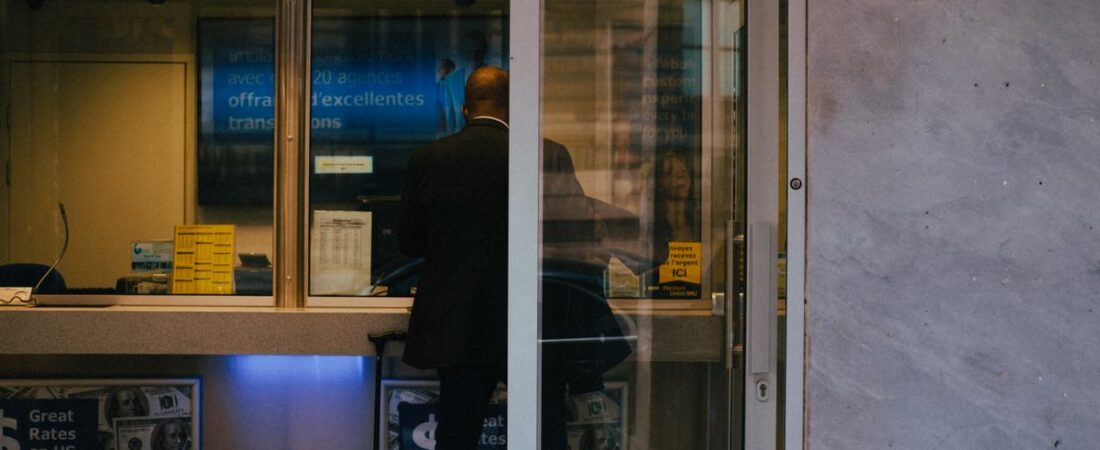
Currency Tips for Singapore: Exchange Rates & Cash Guide 2026
Singapore is one of the safest and most cash-efficient destinations in Asia. Navigating its local financial landscape requires specific knowledge to avoid unnecessary fees. This guide covers everything from the Singapore Dollar (SGD) to City Centre exchange spots.
What Currency Is Used in Singapore?
Singapore operates exclusively with the Singapore Dollar (SGD), symbolized as S$ or SGD. This is the sole legal tender accepted for all transactions throughout the country, including shops, hotels, and transportation services nationwide.
- The SGD is subdivided into 100 cents, though coins under 10 cents are rarely circulated.
- Banknotes range from S$2 to S$10,000, but S$100 and S$1,000 notes are common for larger transactions.
- Foreign currencies like USD or EUR are not accepted for daily purchases at retail stores.
- ATMs display withdrawals in SGD automatically, preventing dynamic currency conversion confusion.
- Credit cards issued in foreign currencies often add a 3% fee per transaction.
Where to Exchange Currency in Singapore City Centre?
The best exchange rates in City Centre are found at licensed money changers near Bugis Street and the Golden Mile Complex. These venues provide competitive rates due to market competition and regulatory oversight from the Monetary Authority of Singapore.
- Visit licensed money changers listed by MAS for transparency and fair pricing.
- Compare rates across at least three vendors before committing to a transaction.
- Bring old, crisp banknotes without tears or excessive wear to avoid rejection.
- Check for hidden service charges or minimum cash-out requirements.
- Use smaller denominations for quick exchanges to reduce counting time.
Best Banks and ATMs for Foreign Currency in Singapore
Major Singapore banks such as DBS, OCBC, and UOB operate ATMs that offer significantly lower fees for foreign cardholders. Using their network ensures reliable access to SGD while minimizing additional charges and avoiding predatory foreign ATM operators.
- Decline any currency conversion offered at the ATM screen to avoid poor rates.
- Check your home bank’s foreign transaction fees before you depart.
- Set your PIN to a 4-digit format, which some machines require.
- Use bank branches during business hours for assistance with blocked cards.
- Withdraw larger amounts less frequently to reduce per-transaction ATM fees.
Using Contactless Payments and Grab in Singapore
Contactless payments via Visa, Mastercard, Apple Pay, and Google Wallet are widely accepted across City Centre venues including taxis, supermarkets, and hawker centres. This digital infrastructure reduces the need for carrying large cash sums.
- Apple Pay and Google Wallet are widely supported at POS terminals.
- NETS QR code payments are common at hawker centres and small stalls.
- The Grab app links directly to your card, removing the need for cash tips.
- PayNow allows instant transfers between Singapore bank accounts using a phone number.
- Many merchants now accept Alipay and UnionPay for Chinese tourists.
Do You Need to Tip in Singapore?
Tipping is not mandatory in Singapore due to mandatory service charges and GST embedded in restaurant bills. While full-service restaurants include a 10% service charge, casual venues like hawker centres allow rounding up without expectation of extra gratuities.
- Restaurants: 10% service charge is standard; extra tipping is optional.
- Hotels: Porters often appreciate S$1 to S$2 per bag.
- Taxis: Round up to the nearest dollar for convenience.
- Tour guides: A tip of S$5 to S$10 is generous for full-day tours.
- Bars and clubs: A service charge is already included in the tab.
How to Spend Leftover Currency on Entertainment
Remaining SGD notes can be efficiently spent on local entertainment through platforms like ib8.asia for concert tickets, avoiding dynamic currency conversion fees. Purchasing tickets in advance and using cash for small-scale activities maximizes value.
- Purchase tickets in advance online to guarantee entry to popular events.
- Check for student or senior discounts where applicable.
- Look for package deals that include dinner or transport vouchers.
- Use SGD cash for smaller pop-up markets and street performances.
- Avoid exchanging leftovers at poor airport rates before departure.
Frequently Asked Questions (FAQs)
Is USD accepted in Singapore?
No, US dollars are generally not accepted for payments in Singapore stores. You must exchange USD for SGD at a money changer or ATM before purchasing goods.
Can I use my credit card everywhere?
Most establishments in City Centre accept cards, but hawker centres and night markets prefer cash or QR payments. Always carry a mix of cards and SGD notes for flexibility.
Are ATM fees high for foreigners?
Local bank ATMs charge between S$4 and S$6 per withdrawal for foreign cards. Your home bank may also impose international ATM withdrawal fees on top of this.
Should I exchange money before traveling?
It is usually better to exchange a small amount before arrival and get the rest locally. Singapore exchange rates are competitive compared to home country banks or airport counters.
Is cash required for public transport?
You can use an EZ-Link card or SimplyGo contactless payment for the MRT and buses. Cash is still accepted at bus entry points, but cards are faster.
Conclusion: Managing money in Singapore is straightforward if you understand the local systems. Use licensed money changers for cash, leverage contactless payments for daily needs, and avoid ATM conversion traps. With these currency tips, your trip to City Centre will remain seamless and cost-effective.