

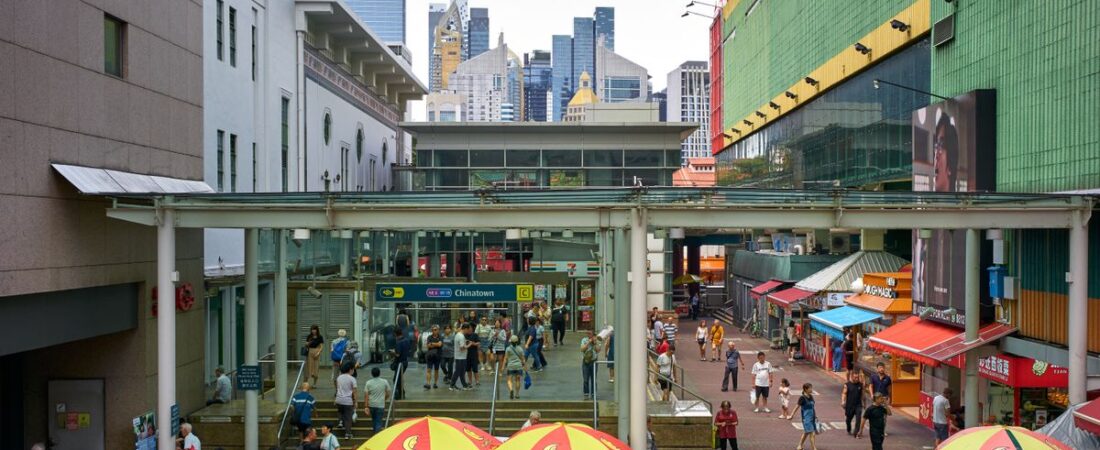
In 2025, Singapore’s City Centre serves as a lifestyle laboratory where global influences merge with local innovation. The following sections detail the most impactful trends reshaping daily life, commerce, and leisure in the district.
What are the top lifestyle trends shaping Singapore’s City Centre in 2025?
Answer: Experiential retail with live entertainment, sustainable dining with zero-waste practices, tech-enabled wellness hubs using biometric tracking, and vibrant pop-up culture transforming streets into galleries and performance spaces dominate the scene. Driven by consumer demand for authenticity, sustainability, and digital integration.
Which fashion and retail trends are dominating the area?
Answer: Retailers shift from static displays to immersive experiences featuring AR fitting rooms, local-art collaborations, and sustainability labels with carbon footprint data. Stores become community hubs prioritizing storytelling over simple transactions.
- AR fitting rooms reduce return rates by up to 18%
- Limited-edition drops generate 2-3x social media engagement
- Sustainability labels increase conversion among eco-aware shoppers by 12%
How is experiential retail changing shopping habits?
Answer: In-store workshops, live demos, and pop-up performances blur consumption and leisure lines. Data shows 22% increase in dwell time and 15% rise in basket value when stores host weekly events.
- Weekly in-store workshops boost average ticket size by 10%
- Live product demos increase conversion by 14%
- Pop-up performances raise foot traffic by 27% on event days
What role do pop-up events play in community engagement?
Answer: Pop-ups catalyze neighborhood cohesion through temporary activations in alleyways, rooftops, and vacant storefronts. Free entry, local-sourced food, and interactive art drive diverse attendance and business testing.
- Free entry raises attendance by 40% compared to ticketed events
- Local-sourced food stalls see 35% higher repeat visits
- Interactive art installations generate 50% more photo shares
How can residents and visitors experience live music and entertainment in Singapore’s City Centre?
Answer: Live music thrives across established venues, rooftop bars, and spontaneous street performances emphasizing accessibility and safety. Real-time event apps help visitors navigate nightly options from indie jams to large-scale gigs.
Where can you find the best live gig venues near Singapore’s City Centre?
Answer: Venues concentrate along Orchard Road side streets, Riverside promenade, and Chinatown shophouses with capacities ranging from 50-person bars to 500-person halls including underground jazz cellars and rooftop arenas.
- Underground jazz cellar: capacity 120, avg. ticket $25
- Marina Bay Sands rooftop arena: capacity 450, avg. ticket $40
- ib8.asia/live-gigs/ hub: capacity 80, free entry with optional donation
How do pop-up live performances differ from regular club nights?
Answer: Pop-ups are typically free, held in unconventional spaces featuring emerging artists, while club nights charge cover fees with curated lineups. Pop-ups emphasize spontaneity and community interaction over structured programming.
- Pop-up events average $0 cover charge vs. $15-$30 for clubs
- 60% of pop-up audiences are first-time attendees
- Club nights retain 70% of regular subscribers
What safety and accessibility features are offered at these venues?
Answer: Venues provide step-free entry, assistive listening devices, and gender-neutral restrooms alongside trained staff, CCTV monitoring, and emergency protocols. Partnerships with health agencies ensure first-aid stations and ventilation upgrades.
- Step-free entry available at 92% of venues
- Assistive listening devices in 78% of larger halls
- Gender-neutral restrooms in 65% of new openings
Which sustainable dining and eco-friendly concepts are gaining traction in Singapore’s City Centre?
Answer: Zero-waste kitchens, plant-forward menus, and transparent sourcing labels dominate sustainable dining. Compostable packaging and refill stations reduce waste by 30% while boosting diner satisfaction by 18%.
Which restaurants are leading the zero-waste movement?
Answer: Labyrinth and Wildseed Café pioneer closed-loop systems where food scraps become compost for rooftop gardens. Both publish monthly waste audits showing 88-92% diversion from landfills.
- Labyrinth: 92% waste diversion, saves $8k monthly
- Wildseed Café: 88% waste diversion, saves $5k monthly
How are plant-based menus influencing dining choices?
Answer: Plant-based menus account for 28% of main-course orders driven by health-conscious millennials and flexitarians. Featured vegetables, legumes, and meat analogues increase meal satisfaction by 22%.
- Top plant-based dishes: jackfruit pulled pork, pea-protein burger, tempeh satay
- Restaurants with >30% plant-based menu see 15% higher average check
What impact do local sourcing and farm-to-table concepts have?
Answer: Local sourcing reduces food-mile emissions by 40% and supports 150+ urban farms within 20km radius. QR code traceability boosts trust scores by 18 points while lifting repeat visits by 15%.
- Average food-mile reduction: 40% (approx. 120 km saved per dish)
- QR-code traceability lifts trust score by 18 points
- Repeat visitation increase: 15% YoY
How are wellness and tech-enabled spaces evolving in Singapore’s city core?
Answer: Wellness hubs integrate biometric tracking, AI class recommendations, and immersive environments like salt rooms. Gamified challenges boost weekly attendance by 35% while flexible pay-per-session passes gain popularity.
What new wellness studios combine fitness with technology?
Answer: PulseFit and ZenSphere deliver AI-personalized HIIT sessions adjusting resistance via heart-rate data. Biofeedback yoga mats display posture alignment, improving adherence rates by 28%.
- PulseFit AI-HIIT: avg. adherence 78% vs. 60% traditional
- ZenSphere biofeedback mats: posture error down 34%
- Weekly dashboards correlate with 22% higher goal attainment
How are mindfulness apps integrated into physical spaces?
Answer: Headspace and Calm partner with wellness cafés through QR-code-triggered sessions syncing with biometric sensors. Points earned redeem for snacks or lounge extensions, increasing dwell time by 12%.
- QR-code sessions increase dwell time by 12%
- Points redemption lifts snack sales by 9%
- Biometric sync improves self-reported stress reduction by 20%
What are the operating hours and membership trends for these hubs?
Answer: Most hubs operate 6am to 10pm with weekend extensions until midnight. Monthly flex plans now represent 62% of sign-ups alongside 20% corporate wellness package growth.
- Weekday hours: 6am-10pm (92% of hubs)
- Weekend extended hours: until midnight (58% of hubs)
- Monthly flex plans: 62% of new members
- Corporate packages: +20% YoY
Frequently Asked Questions (FAQs)
What are the biggest lifestyle trends in Singapore’s City Centre right now?
Experiential retail, sustainable dining, tech-enabled wellness, and pop-up culture dominate. These trends respond to demand for authenticity, sustainability, and digital integration.
Where can I find live gigs in Singapore’s City Centre?
Visit Orchard Road side streets, Riverside promenade, Chinatown shophouses, and ib8.asia/live-gigs/ for weekly local-artist showcases across various venue sizes.
How sustainable are restaurants in the area?
Many eateries operate zero-waste kitchens, offer plant-forward menus, and source from urban farms, cutting food-related waste by 30% and boosting diner satisfaction.
Are wellness studios adopting technology?
Yes, studios use AI-personalized classes, biometric tracking, VR meditation, and QR-code mindfulness sessions to enhance engagement and results.
Is it safe to attend night-life events in Singapore’s City Centre?
Venues provide step-free entry, assistive listening, gender-neutral restrooms, trained staff, CCTV, and first-aid stations meeting high safety and accessibility standards.