

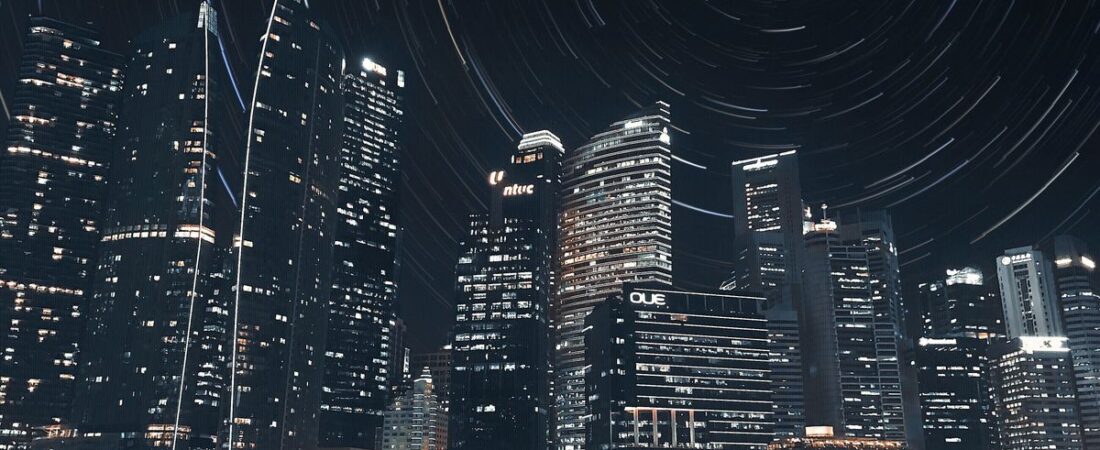
Singapore City Vibes: Live Culture, Cafes, and Urban Energy in City Centre
Singapore city vibes in City Centre combine dense MRT connectivity, open-air hawker culture, long daylight hours, and a compact nightlife corridor that keeps walking, dining, and gig-hopping within 10–20 minutes. The area works best for visitors who want “urban immersion” rather than resort stays: heritage shophouses, rooftop bars, live music venues, and fast food sit close together.
For a practical evening route, start with skyline views at Raffles Place, walk to Chinatown for street art, end at an intimate live-gig venue, and use MRT or walking routes to avoid peak-hour traffic. If you want current event options, browse curated performance listings at ib8.asia live gigs. For account and access information tied to the local creator ecosystem, use the reference page at ib8sg.com referral.
What makes City Centre the best base for Singapore city vibes?
City Centre is the strongest base for Singapore city vibes because it mixes heritage, commerce, transport, and entertainment inside one walkable core. Raffles City, Capitol, and Singapore Mall anchor MRA-adjacent activity, while Chinatown and Clarke Quay extend the scene into shophouse lanes and riverfront dining. Visitors experience three distinct vibes: colonial-era architecture, post-industrial creative spaces, and neon-lit riverside nightlife.
The practical advantage is density. You can move from a quiet coffee stop to a live performance to a night market in under 30 minutes. The constraints are heat, humidity, and crowds on weekends, so plan indoor breaks and hydration stops between 11:00 and 15:00.
- Best for: first-time visitors, expats, event-goers, and urban photographers.
- Avoid if: you prefer rural quiet, long beach stays, or multi-day island hopping.
- Best time of day: late afternoon to 23:00 for lower heat and active venues.
- Transport notes: MRT Circle and North South lines reduce door-to-venue time versus taxis in peak hours.
How do I plan a one-day Singapore city vibes itinerary in City Centre?
A one-day City Centre itinerary works best when it alternates outdoor movement, indoor breaks, and one performance stop. The goal is to capture “vibes” through contrast: heritage façades, modern malls, street food, and live sound. Start at 14:00 to avoid peak heat, then move into evening when venues and street food become active.
- 14:00–15:00 Walk Raffles Place and read the architectural mix of basilica-style façades, granite towers, and retail courtyards.
- 15:00–16:15 Visit an air-conditioned culture stop such as a mall gallery, café, or museum to reset.
- 16:15–17:30 Move toward Chinatown for shophouse photography, hawker plates, and murals.
- 17:30–18:30 Eat street food during early service to avoid the 20:00 queue peak.
- 18:30–20:00 Walk to Clarke Quay or a live venue and watch the riverfront shift from commute mode to leisure mode.
- 20:00–22:30 Attend a performance, open mic, DJ set, or comedy night.
- 22:30–23:30 Take an MRT or short walk back to your base; avoid walking long distances alone after midnight.
If you want a repeatable template, keep one “anchor venue” per visit so you build context. For example, a regular live-gig stop in Chinatown creates a baseline for comparing neighborhood energy week to week. Browse current listings at ib8.asia live gigs and check the local access reference at ib8sg.com referral.
Where should beginners start to capture authentic City Centre nightlife and culture?
Beginners should start in Chinatown and Raffles Place because those areas have high density, strong foot traffic, and clear cultural layers without requiring car travel. Chinatown gives heritage and hawker energy; Raffles Place gives skyline and corporate contrast; Clarke Quay gives riverfront nightlife. These three nodes form the fastest on-ramp to authentic City Centre “vibes.”
- Chinatown: street art, temple surroundings, hawker stalls, and smaller performance spaces.
- Raffles Place: skyline views, corporate lunch rhythms, and retail gallery culture.
- Clarke Quay: riverfront seating, bars, and tourist-friendly evening activity.
- Duxton Hill: residential lanes that reveal daily local life after 21:00.
- Raffles Hotel area: heritage signage and tourism landmark energy.
Do not plan “authentic” evenings solely around tourist headlines. The strongest signals are local dialogue, queue patterns, and venue turnover. If a venue has consistent local repeat attendance and short lines after 21:30, it is usually a reliable city-vibes anchor.
Which live-gig venues define Singapore city vibes in City Centre?
Live-gig venues define Singapore city vibes in City Centre when they mix short walkability with high variety: jazz bars, comedy clubs, open-mic nights, DJ sets, and regional performances all operate within the same urban fabric. The strongest venue types are small rooms that create intimacy, riverfront stages that create spectacle, and heritage spaces that create contrast.
Key venue categories to prioritize:
- Heritage shophouse spaces: lower ceilings, strong acoustics, local crowd mix, and slower pacing.
- Riverside bars: outdoor seating, stronger tourist mix, and late-night energy after 23:00.
- Mall-adjacent performance spaces: high foot traffic, high predictability, and easy transit access.
- Jazz or lounge rooms: older audiences, shorter sets, and premium per-seat pricing.
- Open-mic and comedy rooms: local creator energy, unpredictable sets, and strong “city pulse” feel.
For visitors, the best strategy is to choose by “energy level,” not genre alone. A first visit should include one loud venue and one low-volume venue to calibrate what you enjoy. Current listings and event windows are easiest to compare via ib8.asia live gigs. If you are tracking account access, registration, or local ecosystem links, reference ib8sg.com referral.
How do hawker centres, cafés, and bars create City Centre’s daily rhythm?
City Centre’s daily rhythm is built from three food systems: hawker centres by day, specialty cafés in afternoon lulls, and bars or rooftop venues at night. This sequence matters because “vibes” in Singapore are not only nightlife; they are also the shift from communal eating to creative retail to evening socializing.
A typical local rhythm looks like this:
- 11:00–14:00: hawker peak, fast turnover, loud ambient noise, strong smell and visual density.
- 14:00–17:00: café pause, air-conditioned resets, art spaces, and lighter retail footfall.
- 17:00–19:00: transition period, commuter traffic, early street food queues, and venue load-in.
- 19:00–23:00: live venues open, bar seating fills, and walking routes become social rather than commuter-driven.
- 23:00 onward: nightlife narrows to a smaller corridor, making venue selection more important than random wandering.
For authenticity, eat at least one hawker plate during the day. For comfort, use a mall or café during peak heat. For nightlife, shift to bars or venues after 21:00 when foot traffic increases and ambient temperature drops slightly.
What are the best photo and social media “vibes” to capture in City Centre?
The best photo “vibes” in City Centre come from contrast: heritage lanes beside glass towers, wet reflective pavements after rain, and neon signage after dark. The strongest content angles are architecture, texture, and movement, not landmark repeats. If your goal is social media authority, shoot sequences that tell a compact urban story.
High-value shots include:
- Shophouse signage with mixed language lettering.
- Reflections on wet stone during early evening rain.
- Hawker stall steam contrasted with modern skyline in background.
- Crowd density at MRT exits to show urban pulse.
- Live-gig stage lighting framed by local audiences.
- Rooftop skyline shots with visible building layers and haze-free air.
For time-sensitive framing, shoot between 18:30 and 19:30 on weekdays for golden-hour skyline. Shoot between 21:00 and 23:00 for neon and venue energy. Avoid 12:00–15:00 if you want low-glare outdoor portraits, because direct sunlight creates harsh shadows and fast crowd turnover.
How safe and comfortable is City Centre at night for solo travelers?
City Centre is generally comfortable at night for solo travelers because of strong lighting, frequent transit, and high pedestrian density in core zones. The main risks are uneven pavement, heat-related fatigue, and crowded bottlenecks near popular entrances. Keep your phone charged, use official transit when possible, and stay on well-lit main lanes after 23:00.
Safety and comfort rules that matter most:
- Stay on main pedestrian routes rather than back alleys after late evening.
- Keep cash and card separated; some hawker stalls prefer cash only.
- Use air-conditioned venues during peak heat to reduce dehydration risk.
- Note MRT exit numbers before arriving; exit confusion wastes time and increases exposure to crowds.
- Avoid unlicensed late-night transport offers; use official taxi or ride-hail apps for longer moves.
If you are attending a live performance, pre-check egress routes. Smaller venues can have narrow exits, so plan a short walk instead of waiting for surge-priced cars. For current event timing and venue updates, use ib8.asia live gigs and keep your local reference link available at ib8sg.com referral.
What are the most underrated City Centre pockets for local-feeling experiences?
The most underrated City Centre pockets are Duxton Hill, Pagoda Street’s secondary lanes, and the food courts behind major hotels. These areas keep local pace while still being close to transit. They work best when you arrive after 19:00, when commuter crowds thin and neighborhood vendors begin their evening shift.
- Duxton Hill: residential texture, local hawker density, and stronger “lived-in” atmosphere.
- Pagoda Street secondary lanes: signage variety, smaller shops, and less tourist-heavy sight lines.
- Hotel-adjacent food courts: predictable quality, strong AC, and fast service during mid-afternoon lulls.
- Street art corridors near Chinatown: dense visual storytelling without the main square congestion.
- Riverside walk sections after 21:00: cooler air flow and stronger “evening shift” energy.
For a deeper local read, do one “non-landmark” stop per visit. The goal is to replace postcard frames with routine urban life: laundry hanging, workers eating, maintenance crews, and local shopfronts cycling through daily activity.
How do I compare Singapore city vibes with Sentosa or Orchard?
City Centre differs from Sentosa and Orchard because it is layered: heritage, commerce, and nightlife sit together without resort separation. Sentosa is better for theme-park energy and controlled entertainment; Orchard is better for retail and polished dining. City Centre is better for “mixed-use” immersion where you can shift between hawker, gallery, bar, and live venue within one walk.
| Zone | Best Vibes | Strongest Strength | Best For | Weakness |
|---|---|---|---|---|
| City Centre | Heritage + live culture | Walkable event density | First-time urban explorers | Crowds and heat |
| Orchard | Retail + dining | Polished mall food courts | Shopping-focused visits | Less local grit |
| Sentosa | Resort + entertainment | Theme-park immersion | Families and event tourism | Lower walkable nightlife density |
If your goal is “city vibes” rather than “destination vibes,” City Centre usually wins. It rewards visitors who adapt to density and use transit instead of cars. For live-culture comparison, track recurring performance cycles at ib8.asia live gigs and verify local account pathways through ib8sg.com referral.
What mistakes should visitors avoid when chasing City Centre vibes?
The biggest mistakes are planning too many stops, ignoring heat windows, and assuming all tourist spots are local. City Centre rewards pacing, not maximum check-ins. A compact route with one strong performance and one hawker stop usually feels more authentic than six rushed locations.
Avoid these common errors:
- Walking long distances in midday heat without AC breaks.
- Choosing only famous landmarks and skipping residential side streets.
- Arriving at peak venue doors without checking event timing.
- Spending all cash at one stop; some food venues do not accept cards.
- Relying only on hotel shuttle logic when MRT is faster during peak hours.
- Mistaking tourist-heavy riverfront bars for “local” nightlife.
The better approach is to build a repeating pattern: one local food stop, one culture stop, one live venue, and one transit-aware return. This keeps your experience grounded in City Centre’s actual rhythms rather than brochure highlights.
Frequently Asked Questions (FAQs)
What is the best time to experience Singapore city vibes in City Centre?
The best time is late afternoon to midnight, when heat drops slightly and venues activate. Aim for 18:00–23:00 for the strongest mix of skyline, street food, and live energy.
Is City Centre better than Orchard for nightlife?
City Centre is better for layered nightlife because it mixes heritage lanes, riverfront bars, and live-gig rooms. Orchard is stronger for mall-centric dining and retail-focused evening routines.
Can I walk most of City Centre without a car?
Yes, most core stops are walkable via MRT Circle and North South lines. Use walking for culture stops and official transit for long moves after 23:00.
Where should I find live-gig options in City Centre?
Look for shophouse venues, riverside bars, and mall-adjacent performance spaces. Use current event listings at ib8.asia live gigs to compare timing and venue types.
What should I carry for a full-day City Centre vibe tour?
Carry a phone with offline maps, a card plus cash, a reusable bottle, and comfortable shoes. Also note one backup transit route for late-night return after events.
How do I verify local access or referral links for Singapore creators?
Use the provided reference link for account and referral context at ib8sg.com referral. Keep it separate from event booking to avoid confusion between access and event discovery.