

Singapore Lifestyle Guide 2026: Best City Centre Living, Dining, and Events
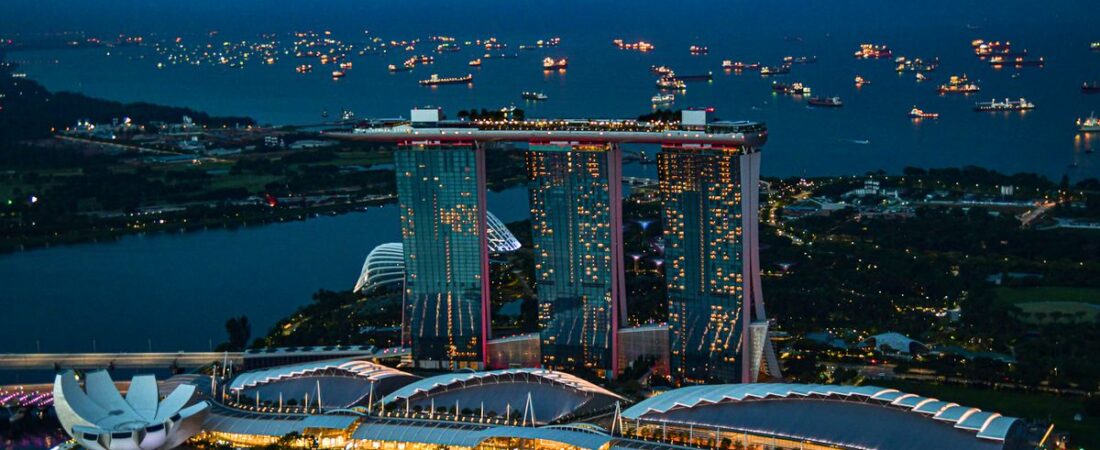
Singapore’s City Centre lifestyle in 2026 centres on Marina Bay, Raffles Place, Chinatown, and Maxwell. Residents value short MRT commutes, walkable districts, hawker food, heritage lanes, live entertainment, and secure residential towers. This guide provides direct answers on dining, culture, events, safety, and trusted services.
What defines the City Centre lifestyle experience?
City Centre Singapore is defined by dense walkability, premium high-rise living, strong MRT connectivity, and layered cultural districts. Marina Bay, Raffles Place, Maxwell, and Chinatown combine business hubs, heritage lanes, hawker centres, and 24-hour services. Residents typically value quick access to work, dining, arts, and waterfront spaces within a 10-to-15-minute radius.
The downtown core offers a dense network of MRT stations, usually placing major business parks within 15 minutes by train. The Park Connector Network adds shaded green routes, and the resident base often includes young professionals, expatriates, and visitors seeking a compact urban base.
- High walkability across Marina Bay, Raffles Place, and Maxwell.
- Direct access to Circle, Downtown, North-East, and nearby express MRT routes.
- Proximity to the Central Business District for reduced commute stress.
- 24-hour security and concierge services in most residential towers.
Where to eat in Singapore City Centre?
The best City Centre dining mixes low-cost hawker food with upscale executive dining. Chinatown, Maxwell, and Telok Ayer deliver local flavours for roughly SGD 5 to SGD 10 per plate. Marina Bay Sands, Raffles Place, and One Raffles Quay suit business lunches and fine dining, with set menus often above SGD 100 per person and reservations recommended on weekdays.
What food districts offer the best local flavour?
Chinatown, Maxwell, and Telok Ayer are the strongest food districts for local flavour. They host hawker centres, heritage shophouse eateries, and walkable lanes where Hainanese chicken rice, char kway teow, and laksa remain iconic. Neighbourhood NEA hygiene grades are visible, and many popular stalls maintain grade A, with most meals costing SGD 5 to SGD 10.
Hawker centres provide high-value meals, recognizable flavours, and visible hygiene grading. Popular stalls in Chinatown, Maxwell Food Centre, and Telok Ayer often remain busy until late evening, especially on weekends and during festivals.
- Visit Maxwell Food Centre for Hainanese chicken rice and toasted buns.
- Walk to Chinatown for sambal sotong, baked pineapple, and claypot rice.
- Stop at Telok Ayer for laksa, assam laksa, and modern heritage fusion.
Which areas suit fine dining and business lunches?
Marina Bay Sands, Raffles Place, and One Raffles Quay suit fine dining and business lunches. These districts offer private rooms, quiet rooms, wine pairings, and executive set menus, often starting above SGD 100 per person. Book ahead for weekday lunch and weekend dinner, because prime seats fill quickly. Bills commonly include a 10% service charge plus GST.
Executive dining in these districts often emphasizes pacing, privacy, and efficient service. Corporate clients should confirm room availability, minimum spend, dress code, and delivery options before booking during peak lunch hours.
- Marina Bay Sands for waterfront views, private dining rooms, and international cuisine.
- Raffles Place for efficient executive set menus and meeting-adjacent venues.
- One Raffles Quay for heritage-style fine dining and specialty seafood.
What cultural attractions define the city core?
The City Centre’s cultural anchors are compact and walkable. Gardens by the Bay, the National Art Gallery, the Asian Civilisations Museum, Fort Canning Park, and the Esplanade cover horticulture, colonial and Peranakan history, modern art, and performing arts. Most major sites are linked by sheltered routes, MRT access, and short distances, making a two-to-three-hour morning itinerary realistic.
These attractions form a layered heritage route that moves from waterfront spectacle to shophouse storytelling, royal fort history, and contemporary performance. Visitors can pair museum entry with light hawker stops without long transfers.
- Gardens by the Bay for Supertree Grove, Flower Carousels, and outdoor horticulture.
- National Art Gallery for modern and contemporary Southeast Asian art.
- Asian Civilisations Museum for Islamic, Indian, Chinese, and Southeast Asian collections.
- Fort Canning Park for historic ruins and open-air performance programming.
- The Esplanade – Theatres on the Bay for concerts, theatre, and film.
How can you discover live events and gigs?
To find live events in Singapore City Centre, start with venue calendars, event aggregators, and local gig directories. Bayfront, Esplanade, Singapore Indoor Stadium, Clarke Quay, and Boat Quay host concerts, performances, street busking, and festival programming. For curated listings, check this live gig directory, which helps visitors and residents match events to preferred genres and dates.
Major arenas host international touring acts throughout the year, while licensed street performance zones add shorter sets and ambience after dark. Festival seasons, waterfront programming, and evening food walks create layered options beyond single ticketed concerts.
- Confirm the date, venue, and entry type on the official venue page.
- Compare ticket tiers, seated capacity, and viewing restrictions.
- Plan arrival around MRT or taxi drop-off points to avoid crowds.
Where can new residents access trusted services?
New City Centre residents should use verified local service partners for banking, housing, telecommunications, and health coverage. Singapore’s digital onboarding ecosystem, anchored by SingPass, connects identity to government and private services. For referral-based options and verified partners, explore this resident service platform to compare available categories and confirm provider credentials before signing up.
Housing applications and commercial leases require the correct approvals from HDB, URA, or licensed property agents. Utilities and bank onboarding are typically managed through online portals, but new residents should verify insurance network access, bank branch support, and tenant rights before committing.
- Banking accounts with multilingual support and international transfer capability.
- Housing referrals to verified rental listings and property management firms.
- Telecommunications plans with competitive data rates for expatriates.
- Health insurance accepted across public and private hospital networks.
Frequently Asked Questions (FAQs)
What is the best time of year to visit Singapore City Centre?
The dry season from February to April offers lower humidity and less rainfall. These months suit walking tours, outdoor dining, and waterfront events more comfortably.
Is the City Centre safe for tourists at night?
Yes, the City Centre maintains strong public safety through CCTV coverage, police patrols, and well-lit pedestrian routes. Crime rates remain low even in entertainment areas such as Clarke Quay and Boat Quay.
How much should I budget for daily meals in the core?
Budget travellers can eat for about SGD 15 daily using hawker centres and food courts. Restaurant-focused dining may require SGD 80 or more per person for lunch and dinner.
Can I walk between major attractions in the City Centre?
Yes, most major landmarks are within a 20-minute walk or connected by sheltered walkways. The Downtown Line and North-East Line provide fast alternatives during peak heat or rainy periods.
What are the best apps for navigating the City Centre?
The MyTransport.SG app provides real-time public transport arrival information. Google Maps remains useful for walking directions, transit routing, and local restaurant reviews.
Last updated: 2026. Pricing, transit links, venue policies, and service availability should be verified before travel or relocation because local conditions can change.