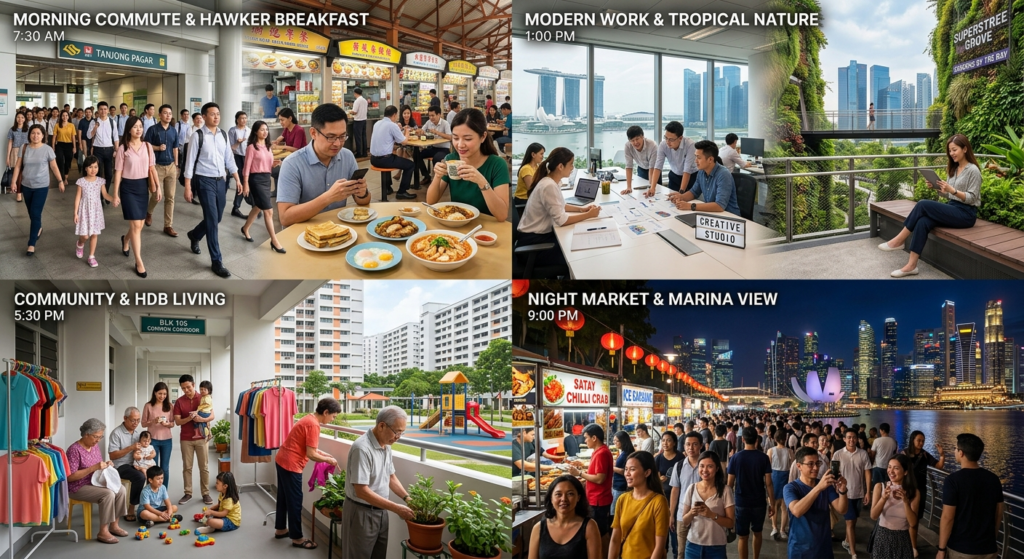
Singapore is often recognised for its modern skyline, efficient public transport, and global business environment, but the Lifestyle of Singapore is defined by much more than its urban landscape. It is a blend of multicultural traditions, contemporary living, strong community values, and a deep appreciation for food, public spaces, and convenience.
Whether you are considering moving to Singapore, planning an extended stay, or simply curious about daily life, understanding the Singapore lifestyle provides valuable insight into how people live, work, socialise, and celebrate in one of Asia’s most dynamic cities. From bustling hawker centres and neighbourhood parks to modern shopping districts and cultural festivals, Singapore offers a lifestyle that balances progress with heritage.
What Defines the Lifestyle of Singapore?
The Lifestyle of Singapore is shaped by four key characteristics: multicultural harmony, efficiency, safety, and a strong sense of community. Residents enjoy modern infrastructure while remaining connected to traditions that reflect the country’s Chinese, Malay, Indian, Eurasian, and other communities.
Daily life is often fast-paced, particularly during the workweek, yet Singaporeans also value family time, outdoor recreation, and shared meals. This combination of modern convenience and cultural richness makes the country distinctive within Southeast Asia.
Some defining features include:
- A multicultural society with diverse traditions
- Reliable public transport and well-planned infrastructure
- A vibrant food culture centred on hawker centres
- Safe and clean public spaces
- Family-oriented values
- Green parks integrated into urban living
- A growing emphasis on work-life balance
Culture and Values in Singapore
Singapore’s multicultural identity influences nearly every aspect of everyday life.
Diversity as Everyday Life
Singapore is home to four officially recognised ethnic groups:
- Chinese
- Malay
- Indian
- Eurasian
People from many other nationalities also live and work in Singapore, contributing to its international character. Different languages, cuisines, festivals, and customs coexist, creating opportunities for cultural exchange throughout the year.
English serves as the main working language, while Mandarin, Malay, and Tamil are also official languages, reflecting the nation’s commitment to inclusivity.
Respect and Community
Respect for others is a widely observed social value. Neighbours from different cultural backgrounds often live side by side, especially in Housing & Development Board (HDB) estates, where shared facilities encourage community interaction.
Residents commonly participate in neighbourhood events, community activities, and volunteer programmes organised through local organisations.
Family-Centred Living
Family remains central to many Singaporean households. It is common for several generations to maintain close relationships, even when living separately.
Weekends frequently involve:
- Family meals
- Visits to shopping malls
- Outdoor recreation
- Religious services
- Celebrating birthdays and festivals together
Food Culture: A Shared Language
Food plays a significant role in the Lifestyle of Singapore. Eating is more than a daily necessity—it is a social activity that brings together people from all backgrounds.
Hawker Centres
Hawker centres are an essential part of everyday life. These open-air food complexes offer a wide variety of affordable local dishes in a communal setting.
Popular favourites include:
- Hainanese chicken rice
- Laksa
- Nasi lemak
- Char kway teow
- Roti prata
- Satay
- Mee rebus
- Fishball noodles
Hawker culture reflects Singapore’s multicultural heritage and was recognised by UNESCO as an element of Intangible Cultural Heritage.
Cafés and Restaurants
Beyond hawker centres, Singapore has a thriving café and restaurant scene.
Residents enjoy:
- Specialty coffee cafés
- International cuisine
- Fine dining
- Neighbourhood eateries
- Late-night supper spots
Food often becomes the centrepiece of gatherings with family, colleagues, and friends.
Daily Rhythm: Work, Study and Leisure
Life in Singapore follows a structured but active rhythm.
Work-Life Balance
Singapore is known for its productive workforce and competitive economy. Many people work in industries such as finance, technology, healthcare, education, logistics, and professional services.
At the same time, there has been increasing attention on improving work-life balance through:
- Flexible working arrangements
- Hybrid work models
- Employee wellness initiatives
- Mental health awareness
- Family-friendly workplace policies
Experiences vary by profession and employer, but maintaining personal well-being has become a growing focus.
Education
Education is highly valued, and many families place strong emphasis on academic development. Schools, universities, and lifelong learning programmes contribute to a culture that values continuous improvement.
Commuting
The Mass Rapid Transit (MRT) system forms the backbone of public transport.
Many residents commute using:
- MRT trains
- Public buses
- Walking
- Cycling
- Ride-hailing services
- Taxis
The extensive transport network makes travelling around Singapore relatively convenient.
Living Spaces and Neighbourhoods
Singapore offers a variety of residential environments, each with its own character.
Heartlands
Most Singaporeans live in HDB flats located in neighbourhoods often referred to as the heartlands.
These communities typically include:
- Schools
- Parks
- Hawker centres
- Supermarkets
- Community clubs
- Sports facilities
- Healthcare services
Heartland living reflects everyday Singapore, where residents enjoy convenient access to essential amenities.
Central Areas
Districts closer to the city centre feature a mix of condominiums, offices, shopping centres, and entertainment venues.
Areas such as Orchard, Marina Bay, and the Civic District are known for their urban lifestyle and accessibility.
Green Spaces and Outdoor Living
Singapore is often described as a “City in Nature,” and green spaces are an important part of everyday life.
Popular outdoor destinations include:
- Gardens by the Bay
- East Coast Park
- Bukit Timah Nature Reserve
- MacRitchie Reservoir
- Singapore Botanic Gardens
- Bishan-Ang Mo Kio Park
Many residents begin their mornings with walks, jogging, cycling, or tai chi in neighbourhood parks.
Weekend activities often include:
- Picnics
- Family outings
- Water sports
- Nature walks
- Community fitness programmes
Shopping and Leisure
Shopping remains one of Singapore’s favourite leisure activities.
Popular destinations include:
- Orchard Road
- Jewel Changi Airport
- Marina Bay
- Bugis
- VivoCity
- Neighbourhood malls
These centres combine retail, dining, entertainment, and community spaces under one roof.
Beyond shopping, leisure options include:
- Museums
- Theatres
- Art galleries
- Live performances
- Sports facilities
- Public libraries
Festivals and Traditions
Singapore celebrates a wide variety of cultural and religious festivals throughout the year.
Major celebrations include:
- Chinese New Year
- Hari Raya Aidilfitri
- Deepavali
- Christmas
- Vesak Day
- Thaipusam
- Mid-Autumn Festival
These occasions bring colourful decorations, festive markets, cultural performances, and family gatherings.
Many Singaporeans also take the opportunity to learn about traditions beyond their own cultural backgrounds, reinforcing the country’s multicultural identity.
Social Habits and Community Life
Social interactions often revolve around shared experiences rather than formal occasions.
Popular activities include:
- Weekend brunches
- Hawker meals
- Fitness classes
- Community events
- Movie nights
- Café visits
- Exploring new neighbourhoods
Community clubs and local organisations also offer programmes ranging from sports and arts to lifelong learning, helping strengthen neighbourhood connections.
Cost of Living and Everyday Realities
The Lifestyle of Singapore offers many advantages, but it also comes with practical considerations.
Key Benefits
- High levels of public safety
- Reliable infrastructure
- Excellent healthcare
- Efficient public transport
- Strong education system
- Clean environment
- Wide range of recreational opportunities
Common Challenges
Living in Singapore can also involve:
- A relatively high cost of living, particularly for housing in some areas
- Competitive work environments in certain industries
- Limited land space
- Busy urban lifestyles
- Peak-hour crowds on public transport
Experiences differ depending on individual circumstances, household needs, and lifestyle choices.
How Singapore Differs from Other Cities
Compared with many global cities, Singapore stands out for its combination of efficiency, multiculturalism, and accessibility.
Residents often appreciate:
- Short travel times
- Strong public services
- Well-maintained public spaces
- A broad mix of cultural experiences
- Easy access to parks despite urban density
The country’s compact size also allows people to explore different neighbourhoods and attractions without travelling long distances.
Frequently Asked Questions
What is the lifestyle of Singapore like?
The lifestyle combines modern urban living with multicultural traditions, efficient infrastructure, strong community values, and a vibrant food culture.
What are the key cultural traits of Singaporeans?
Singaporeans generally value respect, multicultural harmony, family, education, community involvement, and practical living while embracing diversity.
What role does food play in daily life?
Food is central to social life. Families, friends, and colleagues frequently gather at hawker centres, cafés, and restaurants to share meals and celebrate special occasions.
How is work-life balance in Singapore?
Work can be demanding in some industries, but many employers increasingly support flexible work arrangements, employee wellness, and initiatives that encourage better work-life balance.
What is commuting like?
Most residents rely on the MRT and public buses, supported by walking, cycling, taxis, and ride-hailing services. Public transport is generally efficient and well connected.
Is Singapore family-friendly?
Yes. Singapore offers quality education, parks, healthcare, recreational facilities, and family-oriented amenities, making it an attractive place for many families.
How does diversity shape daily life?
Singapore’s multicultural population influences language, food, festivals, neighbourhoods, education, and everyday interactions, creating an inclusive and globally connected society.
What are the biggest perks and challenges of living in Singapore?
Advantages include safety, convenience, excellent public services, and cultural diversity. Challenges may include the cost of living, a fast-paced environment, and limited land space.
Conclusion
The Lifestyle of Singapore reflects a unique balance between modern city living and deep-rooted cultural traditions. Daily life is shaped by multicultural harmony, efficient public services, vibrant food culture, green spaces, and a strong sense of community. Whether enjoying breakfast at a neighbourhood hawker centre, commuting on the MRT, spending weekends in parks, or celebrating festivals with friends and family, Singaporeans experience a way of life that is both dynamic and connected.
While Singapore offers many advantages—from safety and convenience to world-class infrastructure—it also presents realities such as a higher cost of living and the demands of a competitive economy. Together, these elements create a lifestyle that is practical, diverse, and continually evolving, making Singapore a distinctive place to live, work, and explore.