

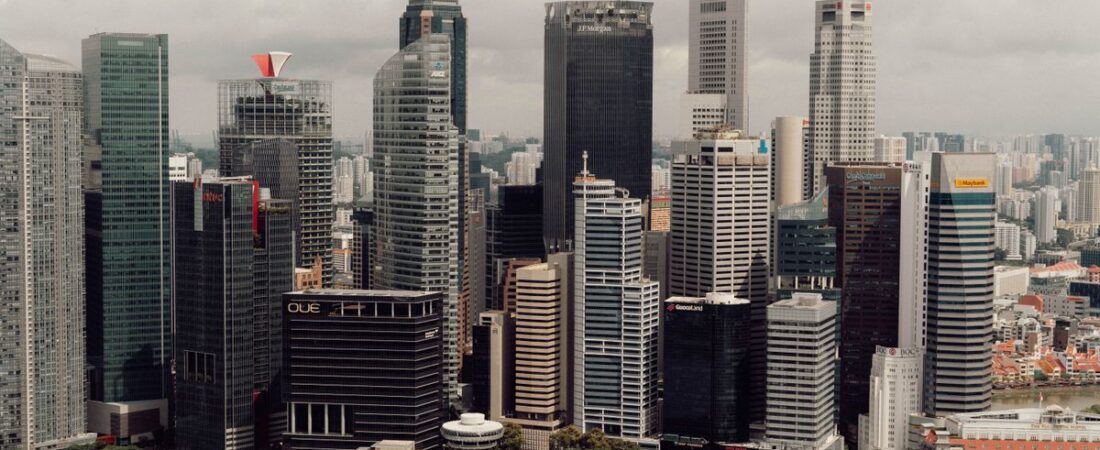
How much does it cost to live in Singapore City Centre?
Living in Singapore’s City Centre is premium, with central condominium rent starting near SGD 4,500 monthly, alongside SGD 600 for utilities and dining. Budgeting requires accounting for high housing costs, but strategic choices like older HDB flats or cooking at home can significantly lower overall monthly expenses.
What is the monthly expense breakdown for a single person?
A single person living in the city centre should budget SGD 300 to SGD 500 for groceries, SGD 80 to SGD 120 for transport, and SGD 300 to SGD 600 for dining out monthly. Housing remains the largest expense, but careful planning of daily habits helps keep total outlays manageable.
- Groceries: SGD 300 to SGD 500 monthly
- Transport: SGD 80 to SGD 120 monthly
- Dining Out: SGD 300 to SGD 600 monthly
How much do private condos cost versus public flats?
Private condominiums near Orchard Road command premium prices, whereas older public HDB flats in Outram Park offer more affordable rental options. Always compare strata titles, maintenance fees, and proximity to MRT stations to ensure long-term value and optimal budget alignment.
What utilities and internet plans should I expect?
Electricity tariffs peak during hot afternoons when AC usage spikes, so choosing a plan with fixed rates protects your budget. Use provider apps to track real-time usage, set spending alerts, and avoid unexpected monthly bill shocks in the humid tropical climate.
Where should expats and locals rent in the City Centre?
Expats often target Marina Bay and Raffles Place for luxury condos, while locals and budget-conscious residents look to Outram Park for older, affordable HDB flats. Choose a property within a five-minute walk of an MRT station to maximize convenience and resale potential.
Condo vs HDB living choices
Condominiums provide premium security, gyms, and pools but carry higher costs, while HDB flats offer affordability but can be noisier. Weigh your budget against your desire for private green spaces, high-end communal facilities, and premium amenities before committing to a lease.
Best MRT-connected areas
Marina Bay and Raffles Place are ideal for corporate professionals seeking short commutes, while Boat Quay offers heritage charm and waterfront views. Always measure actual walking distances to offices and transport links before signing a high-rent lease to ensure daily convenience.
What is the best way to commute around the City Centre?
The MRT network is the backbone of city commuting, costing SGD 1.40 to SGD 3.50 per trip with an EZ-Link card or SimplyGo. Buses fill last-mile gaps, while taxis and ride-hailing services cost SGD 5 to SGD 20 for late-night or peak-demand trips.
- MRT: SGD 1.40 to SGD 3.50 per trip
- Taxi: SGD 5.00 to SGD 15.00 base rate
- Ride-hailing: SGD 8.00 to SGD 20.00 depending on demand
How do I find entertainment and nightlife in Singapore city living?
Central residents enjoy world-class dining, museums, and rooftop bars within walking distance. Live music hubs cluster along Robertson Quay and Clarke Quay, where dedicated gig listings help you find local and international performances. Secure tickets early for popular weekend shows.
Live music venues
Live music venues cluster near the Robertson Quay and Clarke Quay districts along the riverfront. Browse dedicated gig listings to find dates for both local bands and international acts. Secure tickets early for weekend performances, as these popular slots often sell out weeks in advance.
What financial perks exist for residents of central Singapore?
Newcomers can streamline banking and housing setup using specialized referral services that connect them with verified partners. These official channels simplify paperwork, ensure secure account openings, and reduce the risk of financial scams during your relocation to Singapore.
Referral services
Secure accounts and housing through official referral channels to guarantee verified partners. These resources simplify paperwork for foreign nationals navigating local banking regulations and tenancy agreements. Rely on established networks to reduce the risk of scams during the setup process.
How can I reduce utility and grocery costs while living in the city?
Combat high tropical electricity bills by using smart plugs, LED bulbs, and closing curtains during midday heat. HDB residents enjoy subsidized water rates, while private condo dwellers pay commercial tariffs. Track monthly usage via provider portals to identify waste and optimize your monthly utility budget.
Energy efficiency tips
Smart plugs and LED bulbs reduce standby power draw from electronic devices. Close curtains during midday heat to lower air-conditioner runtime by roughly twenty percent. Monitor consumption weekly and report meter anomalies immediately to prevent inflated estimates on subsequent bills.
- Switch off air-conditioning when leaving rooms
- Use public transport instead of private cars
- Cook meals at home to cut dining expenses
Frequently Asked Questions (FAQs)
This section answers common questions regarding residency, transport, and daily costs for people moving to central Singapore. Each response provides specific data points sourced from local guidelines rather than general assumptions. Read these directly if you need quick, verified answers without scanning the entire guide.
Relocation and financial setup questions
Most newcomers ask about visa requirements and how long the approval process takes. Immigration rules change regularly, so check official government portals for current entry standards. Consult an authorized agent if your employment pass application faces complications.
- Do I need a visa to live in Singapore?
- How long does an employment pass take?
- What documents are needed for housing setup?
Transport and leisure activity questions
Travelers often question whether they need private vehicles to navigate the city efficiently. Public transport covers all major districts, making car ownership an unnecessary monthly expense for most people. Renting is only cost-effective for frequent weekend trips outside the region.
- Is public transport reliable in the city?
- Can I walk to most amenities in the City Centre?
- Where are the best nightlife districts located?